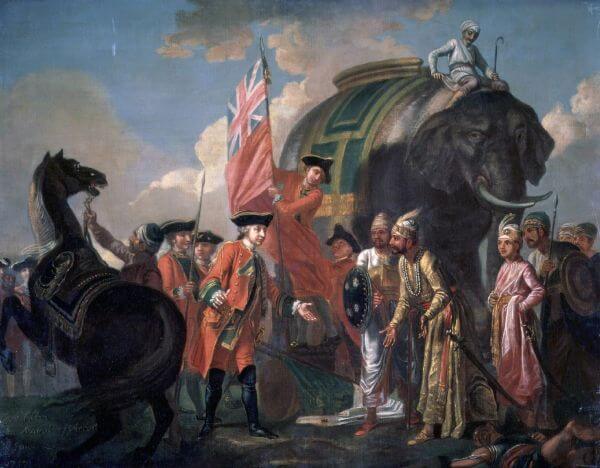
Battle of Plassey: Treachery, Betrayal and the Fall of Siraj-ud-Daulah
Nawab Siraj-ud-Daulah’s Defeat and the Conspiracy of Plassey
The reign of Bengal’s last independent Nawab, Siraj-ud-Daulah, remains one of the most significant chapters in Indian history. In 1756, Siraj-ud-Daulah, the grandson of Nawab Alivardi Khan, ascended the throne of Bengal. He took strict measures against the illegal trade and fortification by the British, which caused them heavy losses. In retaliation, the British began secret conspiracies.
The Web of Conspiracy and Betrayal
-
Mir Jafar: As the commander-in-chief, he deliberately kept his forces inactive on the battlefield, leading to the Nawab’s defeat. Later, he was installed as a puppet Nawab by the British.
-
Raja Krishnachandra: A powerful landlord who maintained secret ties with the British. Though his exact role is debated, he was linked to the conspiracy.
-
Jagat Seth: A wealthy banker who financially supported Mir Jafar in the plot.
-
Umichand: A businessman who played an active role in the conspiracy.
-
Ghaseti Begum: The Nawab’s aunt, who sided with Mir Jafar against him.
-
Yar Latif and Rai Durlabh: Senior officers under the commander-in-chief who turned pro-British and betrayed the Nawab.
The Battle of Plassey and Its Consequences
On 23rd June 1757, Siraj-ud-Daulah was defeated at the Battle of Plassey. The betrayal of Mir Jafar and the strategic planning of Robert Clive ensured victory for the British East India Company. This marked the foundation of British rule in India.
Lessons from History
The Battle of Plassey was not merely a military clash; it symbolized betrayal, conspiracy, and foreign intervention. The fall of Nawab Siraj-ud-Daulah teaches us the importance of patriotism, unity, and vigilance.