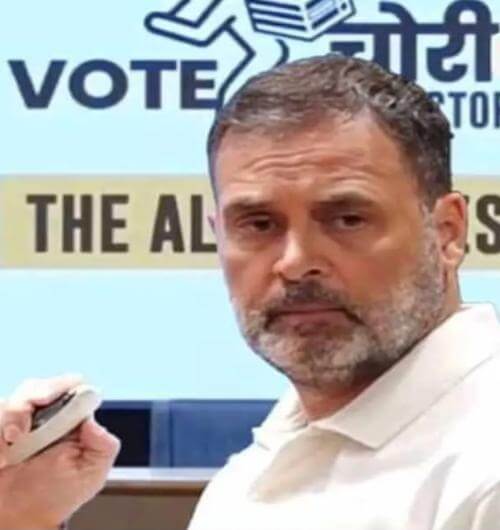
EC vs Rahul Gandhi: A Crucial Test of India’s Electoral Democracy
India prides itself as the world’s largest democracy, sustained through free, fair, and credible elections. Central to this is the Election Commission of India (EC). But recent allegations by opposition leader Rahul Gandhi have placed the EC’s impartiality and credibility under scrutiny.
Gandhi has alleged massive irregularities in electoral rolls across states—duplicate voters, fake or invalid addresses, excess registrations under one address, misuse of Form‑6, and faulty photographs.
The Election Commission has responded sharply, calling these claims “incorrect” and “baseless”, and urged Gandhi to submit signed affidavits with proof. It asserted that no deletion of names can happen without giving the affected person a chance to be heard.
This raises critical questions among the public:
-
Has Rahul Gandhi provided adequate, verifiable evidence to the EC?
-
Why has the Election Commission not initiated formal proceedings or responded more openly?
-
If the allegations are false, should the EC issue a clear rebuttal or legal notice?
-
If there is validity to the concerns, what delays or obstacles are at play?
Democracy depends on transparency, accountability, and trust. If the EC fails to act promptly, the faith of citizens in the electoral system could erode—and in turn, the reputation of India’s democracy could suffer.