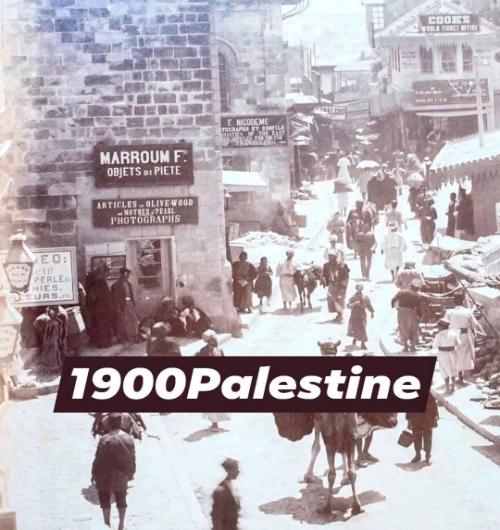
Jaffa Gate: A Historic Witness to Jerusalem’s Changing Times in the 1900s
Report:
In the early 1900s, Jerusalem’s Jaffa Gate stood not just as an entry point into the Old City, but as a living witness to a world in transition. Located on the western side of the city walls, the gate connected Jerusalem to the road leading toward the Mediterranean port of Jaffa, making it a vital hub of trade, culture, and daily life.
Historical accounts describe a scene of constant movement—pilgrims arriving for holy journeys, merchants leading caravans laden with goods, and locals passing through on their way to markets. The early 20th century also brought political shifts, with Ottoman rule gradually giving way to the British Mandate after World War I. Jaffa Gate became the stage where soldiers marched, officials entered, and foreign dignitaries made their ceremonial arrivals.
Photographs from the period show horse-drawn carriages, crowded bazaars, and the ancient stone walls surrounding the gate. Yet beyond its architectural charm, Jaffa Gate symbolized Jerusalem’s layered identity—spiritual center, contested land, and a meeting point of cultures.
Today, while modern traffic and tourism dominate the area, Jaffa Gate continues to remind the world of Jerusalem’s enduring story and the transformations it witnessed over a century ago.