Pressure and Pushback: How Turkey and Its Friends Should Fight Isolation — Diplomacy, Unity and Strategic Resistance
Recent moves to isolate Turkey’s partners — from proxy tensions in South Asia to economic and political pressure elsewhere — feel less like isolated incidents and more like a pattern of influence designed to weaken regional allies. Whether one calls it coordinated lobbying, geopolitical pressure, or the reach of powerful networks, the effect is the same: smaller states and regional partners are pushed into defensive corners.
But fear, fragmentation and silence only deepen vulnerability. States that refuse to react respectfully and strategically hand influence to their adversaries. Instead of descent into passivity or revenge, Turkey and its friends should choose a measured, multi-pronged response:
-
Diplomatic Consolidation. Deepen formal ties with like-minded states through reciprocal visits, mutual defence dialogues, and economic agreements. Highlight shared interests in forums such as the OIC, NAM and regional groupings to build political cover and legitimacy.
-
Economic Resilience. Diversify trade and finance channels. Build alternative supply lines, expand local manufacturing capacity, and increase intra-regional trade to reduce leverage that external actors can exploit.
-
Legal and Norm-based Pushback. Use international law and multilateral institutions to challenge coercive measures — from unjust sanctions to forced isolation. Publicize cases through credible legal channels and independent fact-finding missions.
-
Information and Public Diplomacy. Counter negative narratives with robust media campaigns, independent journalism support, and cultural diplomacy. Transparency and facts undermine attempts to delegitimize partners on the world stage.
-
Strategic Partnerships (Not Militarism). Strengthen intelligence sharing, cyber-defence cooperation, and joint humanitarian initiatives. These build practical cooperation without escalating toward direct military confrontation.
-
Regional Solidarity and Crisis Support. When partners face destabilizing actions — economic sabotage, engineered diplomatic isolation, or covert interference — offer visible political, economic and humanitarian support. That solidarity matters more than rhetoric.
-
Domestic Preparedness. Promote national unity at home: protect social cohesion, shore up critical infrastructure against asymmetric attacks (cyber, energy, supply chain), and ensure emergency governance structures are robust.
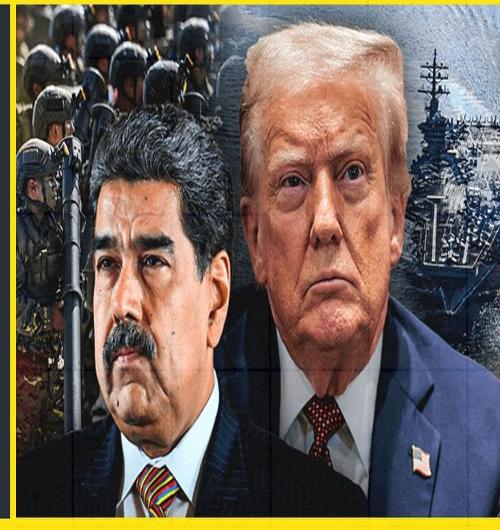
History shows that bullying works only if targets fracture. A coherent, lawful and strategic collective response — not unrestrained anger — is what blunts coercion and safeguards sovereignty. If Qatar, Venezuela, Pakistan, Turkey and other partners coordinate diplomatically and economically while exposing wrongdoing through legal and information channels, they can shift from being isolated targets to a network of resilient partners.
Fear and fragmentation are the worst response. Strategic unity, international legal recourse, and economic independence are the path to strength.