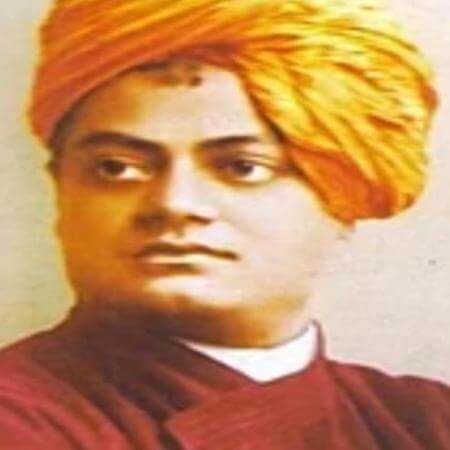
Swami Vivekananda: Life, Ideals & the Message of Religious Tolerance
Early Life
Swami Vivekananda was born as Narendranath Datta on 12 January 1863 in Kolkata, in an aristocratic family. From childhood, he showed a deep interest in philosophy and knowledge. He later studied philosophy in Kolkata.
Influence of Guru
His life took a spiritual turn under the guidance of Sri Ramakrishna Paramahamsa. The teachings of Ramakrishna—self-realization, devotion, and service to humanity—deeply shaped his outlook on life.
Philosophy & Ideals
-
Self-development & Service to Humanity: “Service to man is service to God.”
-
Harmony of Bhakti, Jnana, and Karma: Integrated devotion, knowledge, and action for human welfare.
-
Religious Tolerance: At the 1893 Chicago Parliament of Religions, he declared religion as a bridge of unity, not division.
-
Youth & Patriotism: Urged the youth to be self-reliant, disciplined, and dedicated to the nation’s progress.
Social Contributions
-
Founded the Ramakrishna Mission for education, healthcare, and relief work among the poor and needy.
-
Worked for the spread of education in both rural and urban areas and tried to reduce class inequality.
International Recognition
In 1893, he introduced Indian spiritual philosophy to the world at Chicago. His inspiring message—
“Take up one idea. Make that one idea your life—think of it, dream of it, live on that idea.”—continues to inspire generations.
Education & Inspiration
He emphasized honesty, discipline, confidence, compassion, and equality beyond caste or creed. To him, religion was a unifying force for the moral and spiritual upliftment of humanity.
👉 In Essence: Swami Vivekananda’s life remains a shining blend of spirituality, tolerance, and universal human values. His teachings are still a guiding light for the youth and humanity across the globe.