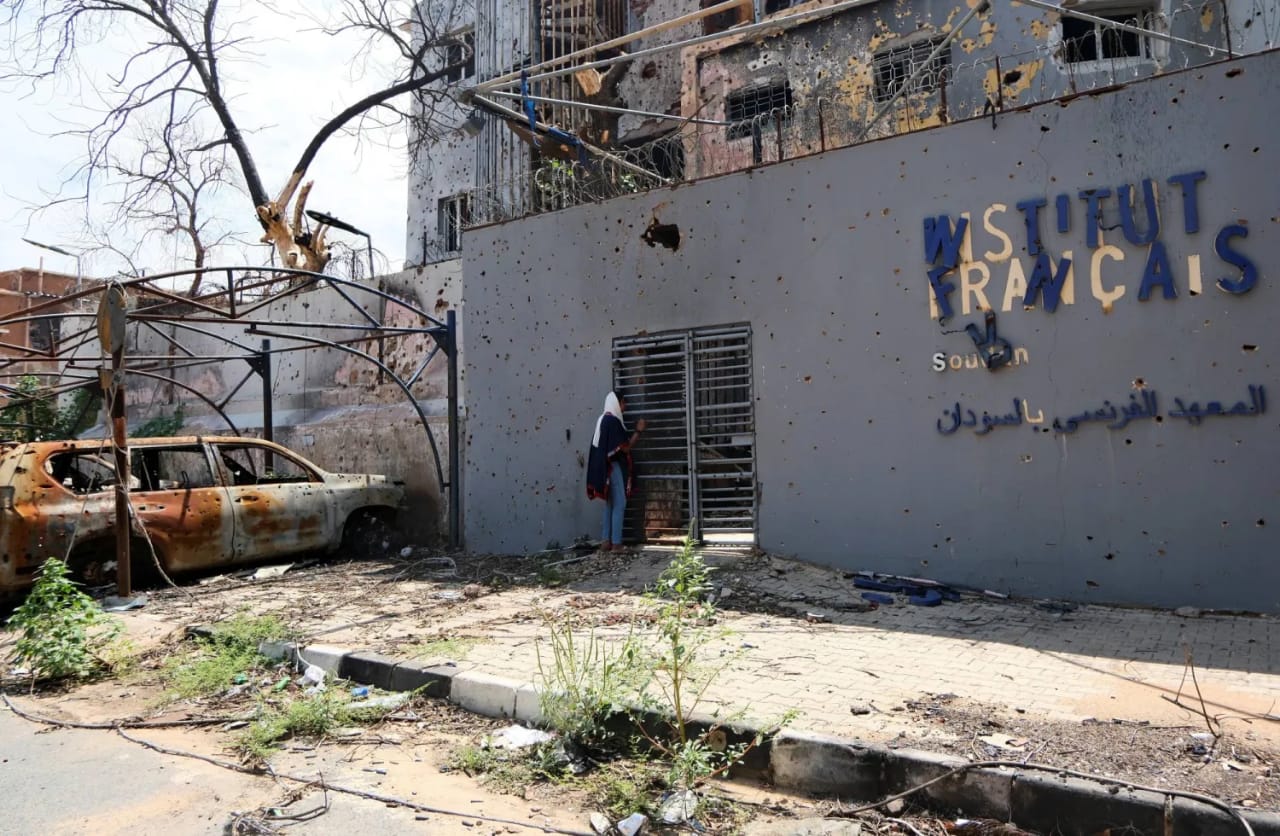
Three-quarters of children in Sudan deprived of education due to war
The war in Sudan has deprived three-quarters of school-age children of attending classes, according to a report by Save the Children released today (Thursday), while fighting continues across the country for more than two years.
The conflict erupted in April 2023 between the army and the Rapid Support Forces (RSF), quickly dividing the country into spheres of control. So far, it has killed tens of thousands, displaced more than 13 million people, and destroyed civilian infrastructure.
According to the report, 13 million out of 17 million school-age children cannot go to school — “one of the worst education crises in the world.”
More than half of Sudan’s schools remain closed due to the war, while one in ten schools has been converted into shelters for displaced people.
Sudan is facing one of the worst hunger and displacement crises globally, with refugee camps — especially in the west — suffering from overcrowding, famine, cholera outbreaks, and a lack of healthcare and basic services.
Mohamed Abdel Latif, Save the Children’s country director in Sudan, said:
“It is easy to neglect education as a priority in times of crisis, but as the conflict drags on, children are losing their most important years of learning — years they will never get back. That means some of these children may never learn to read or write.”
He warned that if the war continues, “millions of children will not be able to return to school, exposing them to both short- and long-term risks, including displacement, joining armed groups, and sexual violence.”
Some central and northern Sudanese cities have witnessed relative calm in recent months, since the army expelled RSF fighters from them in May.
According to the United Nations, more than two million displaced people have returned to their towns since the beginning of the year. However, infrastructure remains devastated, with schools and hospitals still closed and electricity cuts persisting.
The report noted that around 4 million children have recently returned to education, but the overwhelming majority remain out of school due to mass displacement, teacher shortages, lack of learning materials, and movement restrictions caused by violence