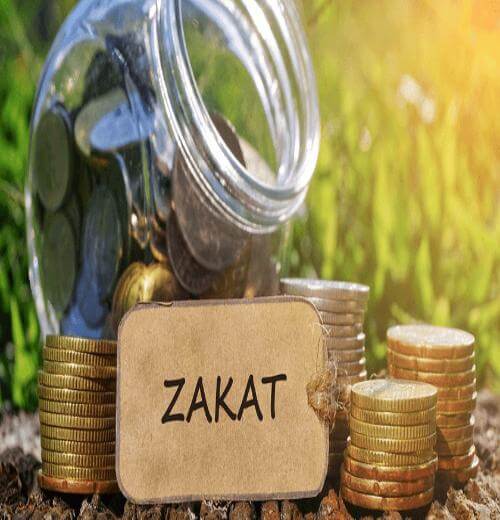
Zakat as a Tool of Empowerment: Reviving the Prophet’s Forgotten Principles
Special Correspondent:
Proper distribution of Zakat can serve as a transformative tool for the upliftment of underprivileged Muslim communities. In Islam, Zakat is not merely a charitable obligation but a powerful socio-economic instrument that promotes equity and dignity.
When managed transparently and strategically, Zakat funds can support scholarships, healthcare access, and small business development — vital pillars for building a self-reliant society. With large segments of the Muslim population suffering from poverty, unemployment, and lack of education, efficient Zakat utilization becomes more crucial than ever.
Prophet Muhammad (PBUH) emphasized three key pillars for building a strong nation: education, self-reliance, and fair wealth distribution. Tragically, the Muslim community has neglected these principles, while the Jewish community has adopted them — leading to global influence and leadership.
In conclusion, Zakat, when properly implemented, is more than charity — it is a foundation for long-term development and empowerment, capable of guiding Muslim society toward progress, dignity, and global relevance.